TRADITIONAL/CONTEMPORARY


TRADITIONAL/CONTEMPORARY
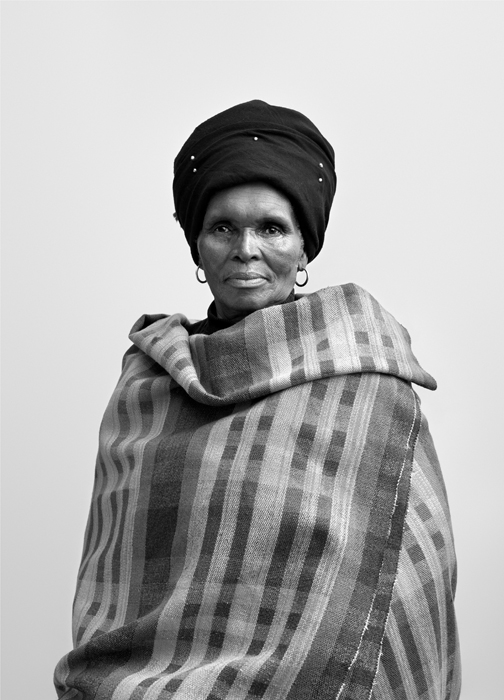
Portraits from South African photographer Andrew Putter’s ethnographic series Native Work which consists of 21 photographs of black Capetonians photographed in black-and-white dressed in various traditional Xhosa attire, each of a particular significance, juxtaposed against colour photographs of the same individuals wearing casual Western garments.
The series undoubtedly carries a heavy colonial framing demonstrated in the nature of Putter’s black-and-white anthropological-like portraits that resemble modern-day versions of colonial postcards that became a norm in colonized lands around the world. This concerning element in Putter’s series is also made more problematic through the racial dynamics of a white photographer in South Africa photographic black ‘subjects’, as well as in the title of this work, which, despite Putter’s admission and recognition of this element of his series, is not something that can entirely be dismissed.
Native Work is a highly intriguing visual framework that provokes the consciousness of the viewer to consider the critical and historical role of photography and the photographer, in both the colonial and post-colonial context, as well as the forced transitional process that colonized populations underwent that violently compromised and stripped them of various foundational elements of their identities.
‘Cognizant of the dangers inherent in Duggan-Cronin’s colonial, ethnographic approach to making images, Native Work nevertheless recognises an impulse of tenderness running through his project,’ writes Putter in an article about his project published recently in the journal Kronos: Southern African Histories. ‘By trusting this impulse in Duggan-Cronin’s photographs, Native Work attempts to provoke another way of reading these images, and to use them in the making of new work motivated by the desire for social solidarity, a desire which emerges as a particular kind of historical possibility in the aftermath of apartheid.’
By exploring his own complex feelings towards an ideologically tainted but aesthetically compelling visual archive, Putter enters the fraught terrain of ethnographic representation to wrestle with himself about his own complicity, as an artist and a white South African, in this troubled visual legacy. Art critic Alex Dodd writes that this new work ‘constitutes one of those rare instances in which it becomes unmistakably clear to the viewer that the primacy of authorial intention has everything to do with the subtle alchemy that determines the meaning and affective power of images. In this case, the immense respect and tenderness that went into the making of the photographs registers visually as a kind of auratic quality of dignity that shines through each and every portrait.’
>via: http://dynamicafrica.tumblr.com/post/53265776601/potraits-from-south-african-photographer-andrew